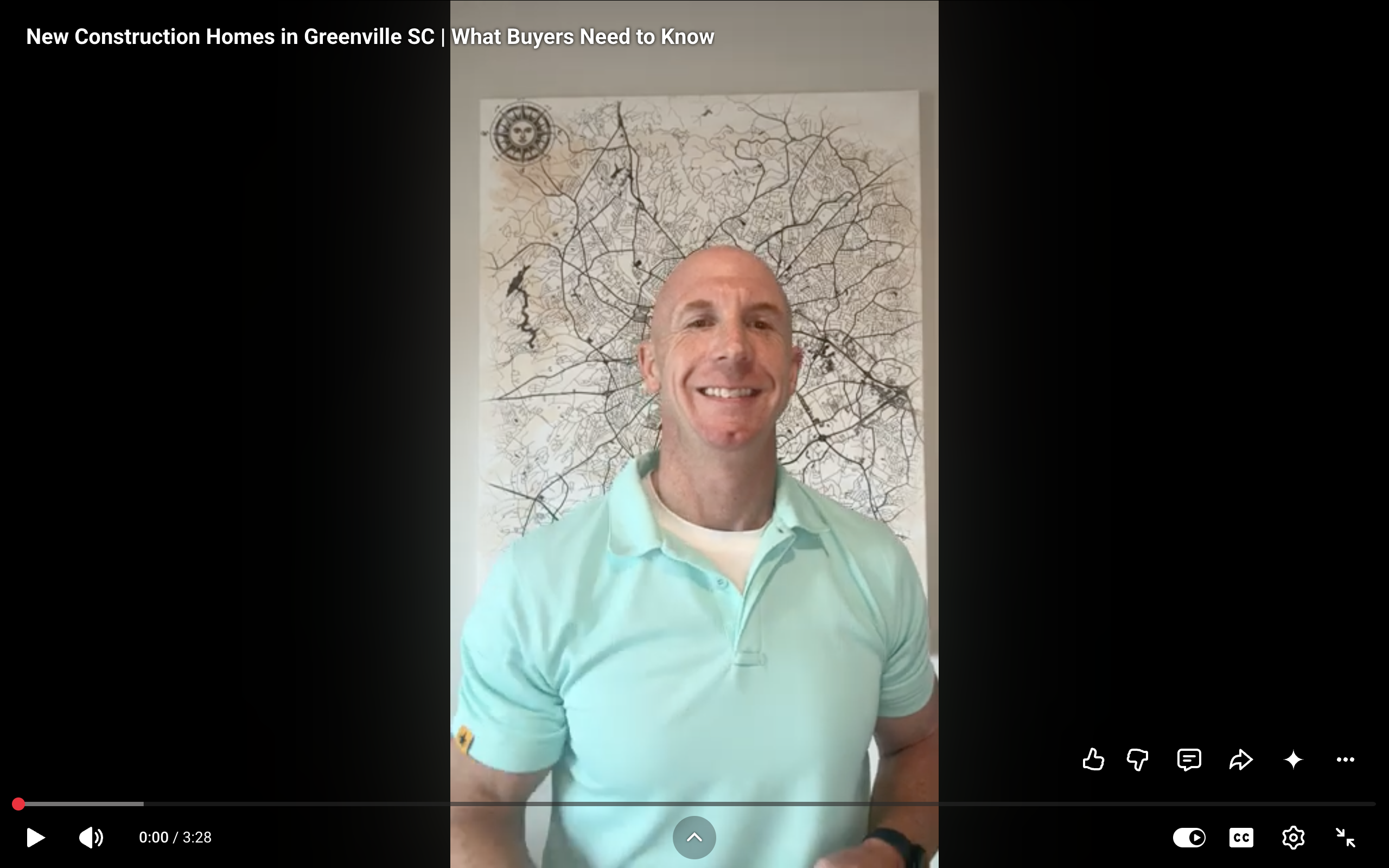
Walking into a new-construction model home can feel simple. The onsite sales representative is friendly, knowledgeable, and ready to explain floor plans, homesites, upgrades, and incentives. But there is one important fact every buyer should understand: the builder’s sales representative works for the builder—not for you.
That does not make the onsite representative an adversary. It simply means their professional responsibility is to protect the builder’s interests. Having your own buyer’s agent gives you a real estate professional whose role is to focus on your goals throughout the purchase.
What Does the Builder’s Sales Representative Do?
The onsite representative is an excellent source of information about the builder and community. They can explain available homes, floor plans, design options, construction schedules, deposits, and current promotions. They also prepare and manage paperwork on the builder’s behalf.
Because the builder employs or contracts with that representative, buyers should not assume the representative is acting as their personal advisor. The representative’s job includes helping the builder sell homes under the builder’s terms and policies.
What Does a Buyer’s Agent Do?
A buyer’s agent represents the homebuyer, subject to the terms of the buyer representation agreement and applicable law. Your agent can help you understand the larger market, compare builders and communities, evaluate homesites, review options, coordinate due diligence, and keep track of deadlines.
The key difference is representation: the onsite representative advocates for the builder, while your buyer’s agent advocates for you.
Seven Ways a Buyer’s Agent Can Help With New Construction
1. Compare Communities and Builders
A model home is designed to make a strong impression. Your agent can help you step back and compare location, base pricing, included features, upgrades, amenities, homeowners association costs, taxes, commute times, resale considerations, and builder reputation across multiple neighborhoods.
2. Evaluate the Homesite and Floor Plan
The right floor plan on the wrong lot can become a long-term frustration. A buyer’s agent can help you think through traffic, slope, drainage, sunlight, privacy, nearby roads, future construction, lot premiums, and how the layout fits your daily life.
3. Review Pricing and Incentives in Context
Builders may offer closing-cost assistance, rate promotions, upgrade credits, or flex cash. The largest advertised incentive is not automatically the best financial choice. Your agent can help you compare the total package—including lender fees, interest rate, upgrades, deposits, and restrictions—and ask which incentives may be combined.
Promotions change frequently and can depend on the home, homesite, financing, contract date, and closing timeline. Always verify current terms in writing.
4. Help You Understand the Contract and Deadlines
Builder contracts are typically prepared for the builder and can differ significantly from standard resale agreements. They may include provisions covering deposits, delays, substitutions, financing, inspections, change orders, warranties, and closing dates. Your agent can help explain the real estate process, flag questions, and keep important deadlines visible. Legal questions should be directed to a qualified attorney.
5. Coordinate Independent Inspections
A new home is still built by people, and mistakes or incomplete work can happen. Depending on the contract and construction stage, buyers may consider foundation, pre-drywall, and final inspections by qualified independent inspectors. Your agent can help coordinate allowed inspections, communicate findings, and document the builder’s responses.
6. Monitor the Process and Document Concerns
Construction can involve shifting schedules, material substitutions, change orders, walkthroughs, and many conversations. A buyer’s agent helps maintain organized communication and written records so questions and commitments are less likely to be overlooked.
7. Support You Through the Walkthrough and Closing
As closing approaches, your agent can help you prepare for the orientation, final walkthrough, lender requirements, closing documents, and transfer of warranties. Representation remains valuable when the excitement—and the number of last-minute details—is at its highest.
Will Having a Buyer’s Agent Increase the Price?
Compensation arrangements vary by builder, community, and transaction and should be discussed before touring homes. Do not assume that declining representation will produce a price reduction or credit. Ask your agent how compensation works, review your representation agreement, and confirm the builder’s current policy in writing.
Contact an Agent Before Visiting the Model Home
This timing matters. Some builders require a buyer’s agent to accompany or register the buyer during the first visit. If you tour or register alone, the builder may later refuse to recognize your agent. Rules vary, so the safest approach is to speak with your REALTOR® before visiting, calling, or registering online.
Who Should You Call When Buying New Construction in the Upstate?
The builder’s representative can tell you about the builder’s homes. Your buyer’s agent can help you decide whether that builder, community, homesite, contract, and financial package are right for you.
Contact Kevin Wells before your first model-home visit. I can help you compare new-construction communities throughout Simpsonville, Greenville, Mauldin, Fountain Inn, and the surrounding Upstate, evaluate incentives, coordinate inspections, and stay represented from the first tour through closing.
Use the contact form on this website to schedule a no-pressure consultation before you begin visiting communities.
This article provides general real estate information. Builder policies, compensation, incentives, contract terms, inspection rights, and agency laws may vary and should be independently verified for your transaction.